News — abstract
Spotlight: Imre Badonski’s “Gathering Darkness” Returns to the Market
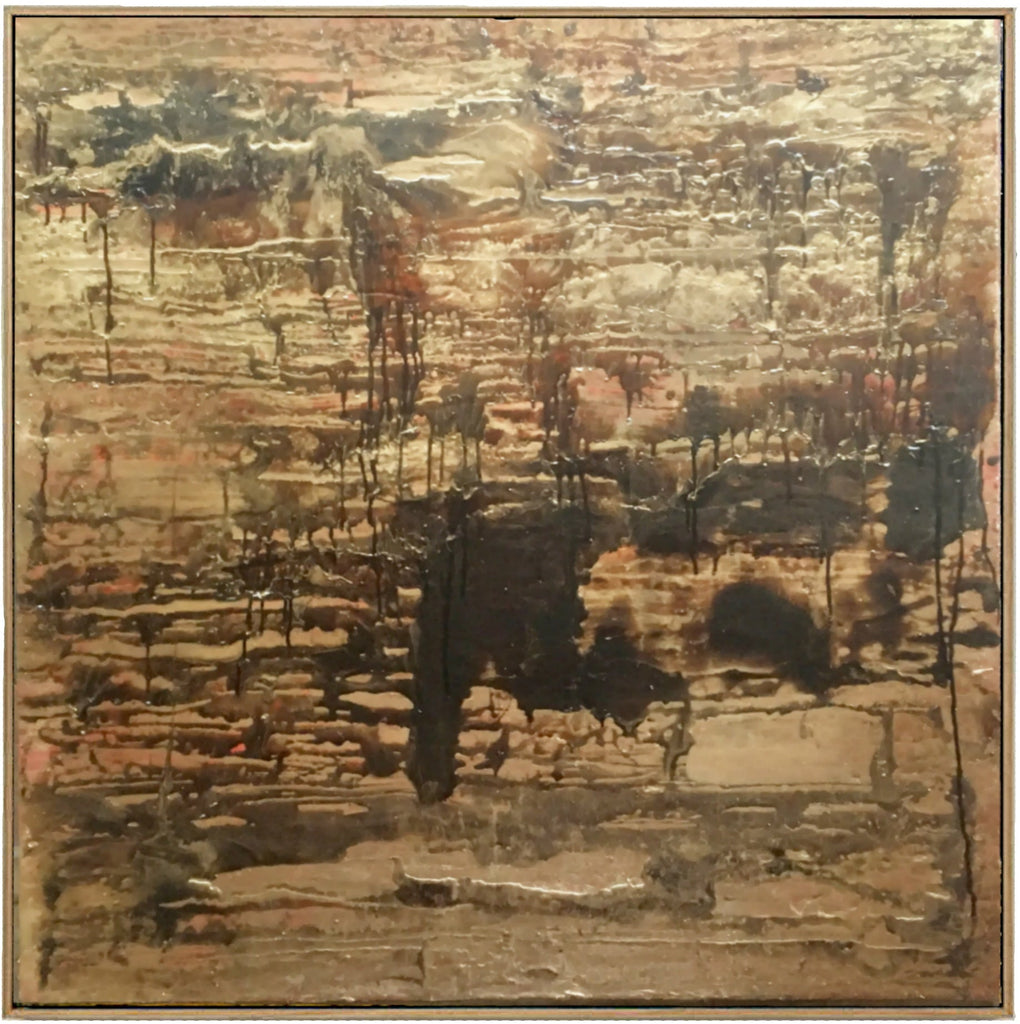
Art collectors, take note: "Gathering Darkness," an important piece from Imre Badonski’s acclaimed Red Rain series, is officially back on the market. Originally commissioned in 2018 as part of a triptych exploring the elemental and spiritual weight of the Book of Genesis, this work is a masterclass in mood and movement. Current Availability: Listed on Saatchi Art
The Lost Sunway
abstract art art studio artist
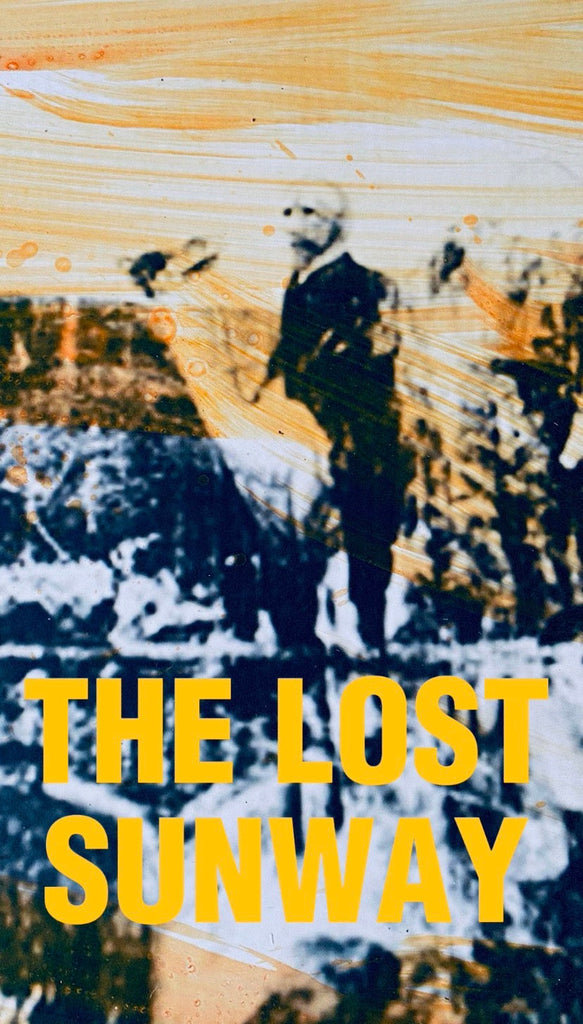
Reclaiming a lost vision: The Napút (Sunway) My artistic journey has always been a dialogue between my Hungarian roots and the vast, transformative landscapes of my adopted home in Australia. In my previous series, Hungarian Outlaws, Betyárs, I explored the multiplicity of vision and awareness by painting over historical fragments—reclaiming the stories of those who lived on the fringes of society. With The Lost Sunway, I turn my attention toward the 'lost third' of Tivadar Csontváry Kosztka’s oeuvre. Csontváry sought a physical and spiritual essence of light, which he called the Napút (Sunway). Today, dozens of these visions exist only as facsimiles or empty descriptions in museum archives. This series...
Landscapes of memory, myth, and transformation
abstract art artist studio life
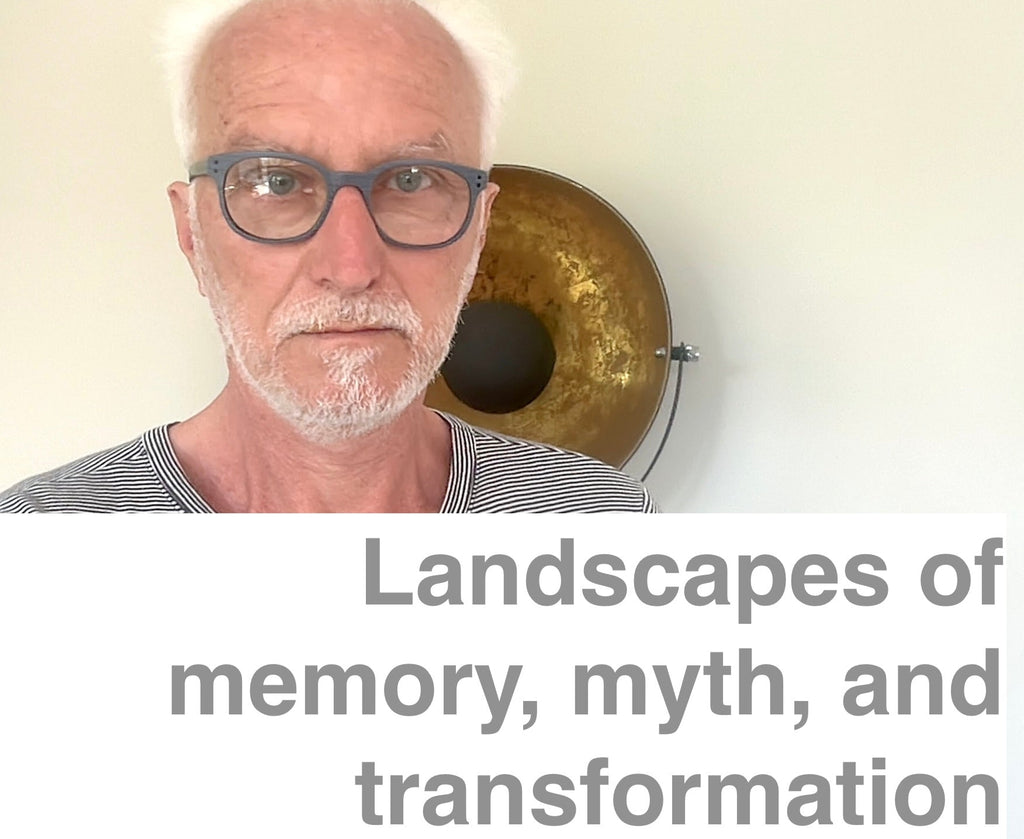
"My artistic journey began in Hungary, surrounded by a vibrant cultural heritage and dramatic stories that shaped my early vision. Australia’s wild bush and unique textures transformed my perspective, inviting new forms, colours, and emotions into my work. Each painting reflects both external landscapes and the inner worlds of memory and myth that connect my Hungarian roots to my Australian life. I create not only to share my story, but to invite viewers to discover something deep within themselves-a sense of wonder and appreciation for beauty found in resilience and change."
Art, Identity, and Freedom
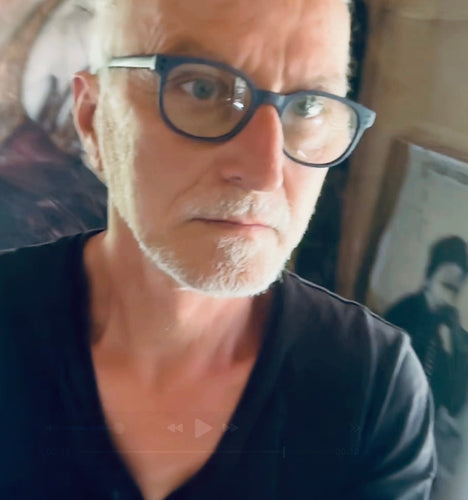
I: Imre, thank you for speaking with us today. You have an intriguing story as a Hungarian-born artist now living and creating in Australia. How would you describe the role of visual artists in today’s rapidly changing and globalised world? IBi: I believe artists have always played a crucial role in reflecting the world around them, but today, that role feels even more significant. We’re living in a time of great political and social upheaval, climate crises, and technological transformation. Visual artists, in particular, are not only witnesses to these changes but also active participants in shaping the conversation about...
Finishing the year 2018 in my studio, The Red Rain series
abstract art art studio artist
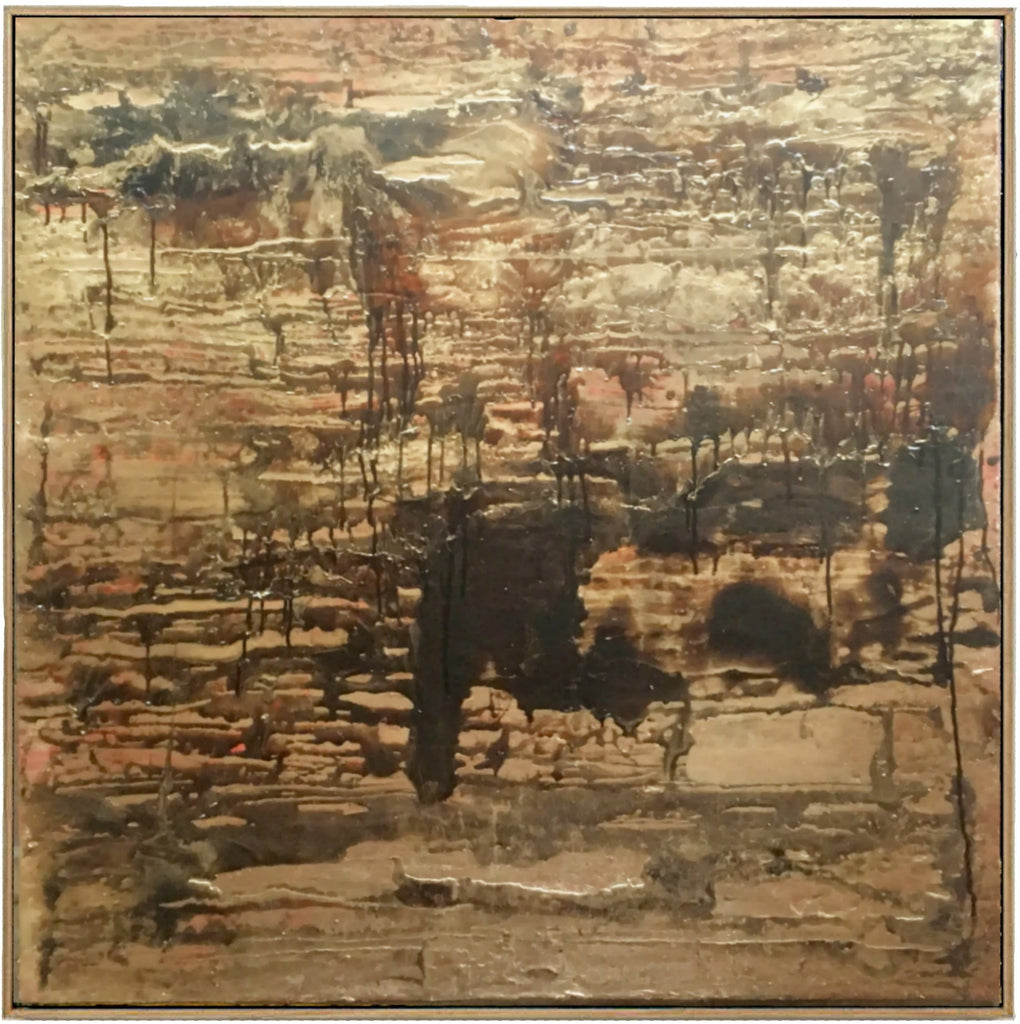
Commissioned by a private collector to interpret the elemental themes of the Book of Genesis visually. The series, comprising The First Day, Daylight Conquers the Darkness, and Gathering Darkness,